Adam Rotmil
The opening of Benchling’s R&D Cloud film: a DNA strand drawn in light lines on Benchling blue, then product cards swirling
Life sciences marketing · Code & Theory

Benchling

A marketing site that could scale with the product.

Inside the system
Client
Benchling, via Code & Theory
Role
Site architecture, components, visual design
Team
One of three designers
Duration
3 months

Benchling’s R&D Cloud filmFrom the Code & Theory engagement I was part of.

The problem

Benchling’s marketing site hadn’t kept pace with its R&D platform. Every new product page was started from scratch.

My role

One of three designers at Code & Theory: site architecture, components and visual design.

Outcome

A reusable page architecture, a component system and a responsive template guide, so new pages could be assembled from parts.

What Benchling is

The life sciences
R&D cloud.

Scientists use Benchling to design DNA and proteins, record experiments, register molecules and track samples, in one place.

01,0002,0003,0004,000PromoterInsertTerminatororiAmpREcoRIXhoIBamHIHindIIIPstISacIIllustrativePlasmid4,200 bp1,190 bp

The challenge

The site needed a system, so each new product page could be put together from parts.

Site architecture

Every page type, sorted into a template.

Three templates were redesigned. Eight carried existing pages over one to one, onto the new platform and into the new brand. The help center, sign-in and developer pages stayed out of scope: no replatforming, no visual updates.

Inventory
Redesign
1:1 replatform and branding
Out of scope
The existing siteEach page type mapped in the template guide
Homepage
Evergreen contentAbout us, the Benchling difference, trust, partnerships
Aggregate hubIn the news, events, meet our customers
Form pageContact us, request a demo, customer referral
Product detailProduct, platform, services and program pages
Solution detail
Pricing
Error page
Text detail
Editorial detail
Chaptered content detail
Help center
Account sign up and sign inLog in, create an account
Developer platform hub
OtherImpact calculator, launch event, buyer’s guide, e-book

Transcribed from the original template guide.

Zones and components

One template.
Three different pages.

Zone diagrams made the content strategy concrete. A stable opening and close gave each page a recognizable shape; the open module area let the team assemble the right story in between.

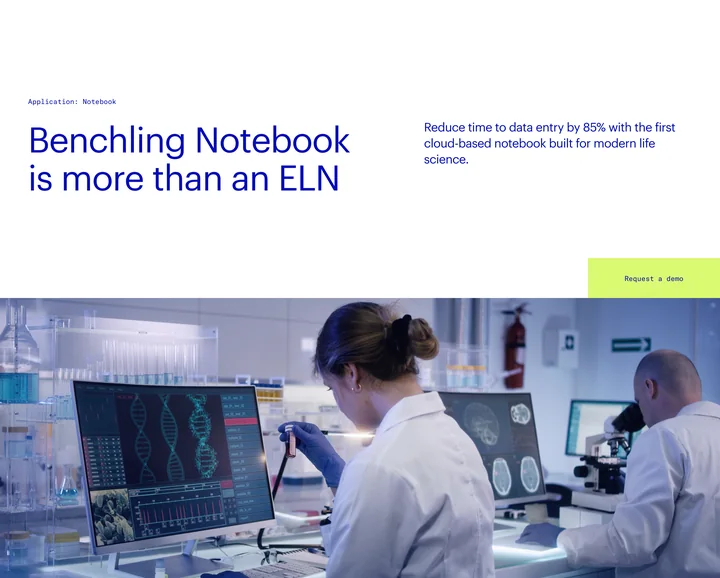
Zone diagramProduct detail templatePoint at a zone to compare
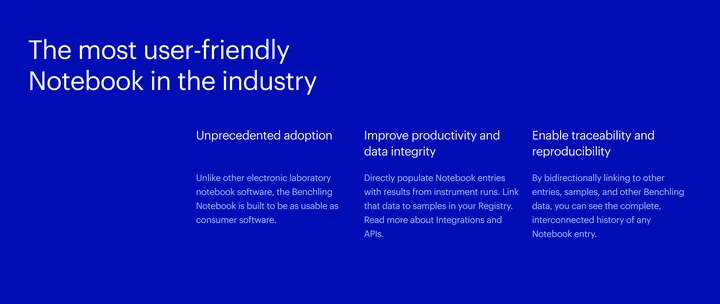
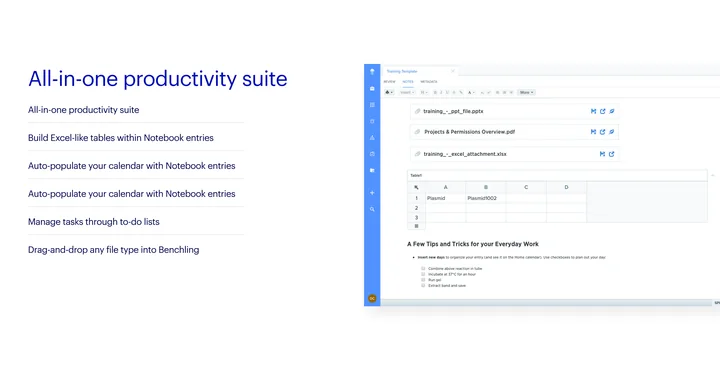
ApplicationNotebook
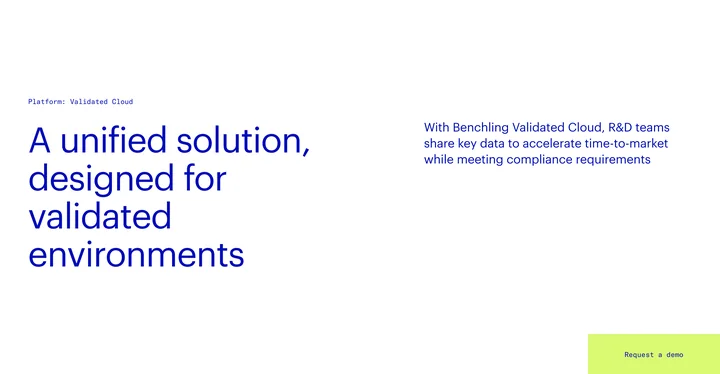
PlatformValidated Cloud
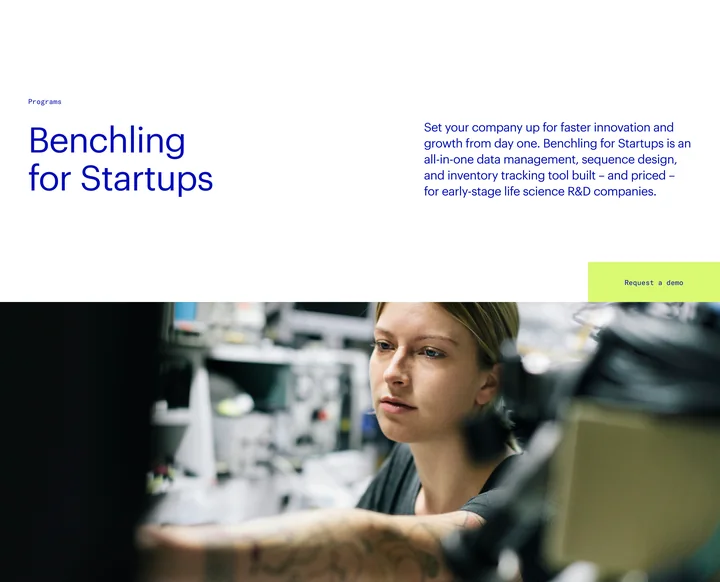
ProgramStartups
Navigation · Sticky banner
Notebook: navigation · sticky banner from the original comp
Validated Cloud: navigation · sticky banner from the original comp
Startups: navigation · sticky banner from the original comp
Product detail hero or standard hero
Notebook: product detail hero or standard hero from the original comp
Validated Cloud: product detail hero or standard hero from the original comp
Startups: product detail hero or standard hero from the original comp
Open module area
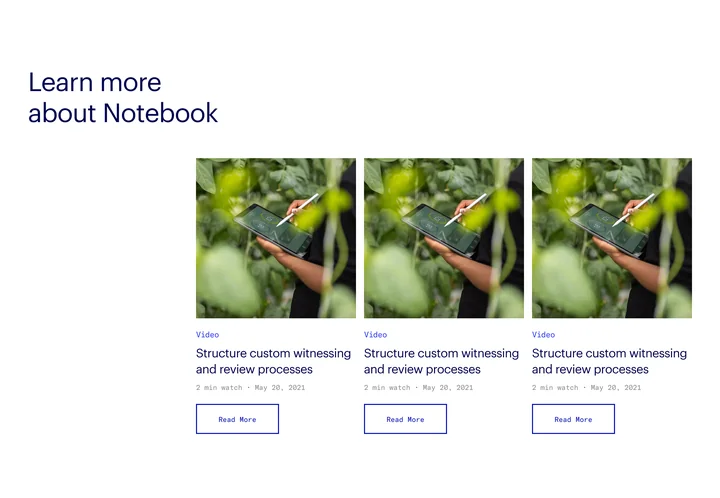
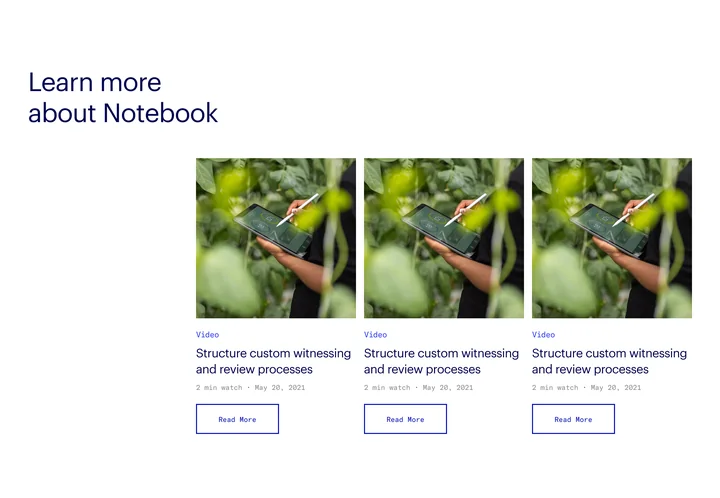
Notebook: open module area from the original compNotebook: open module area from the original compNotebook: open module area from the original comp
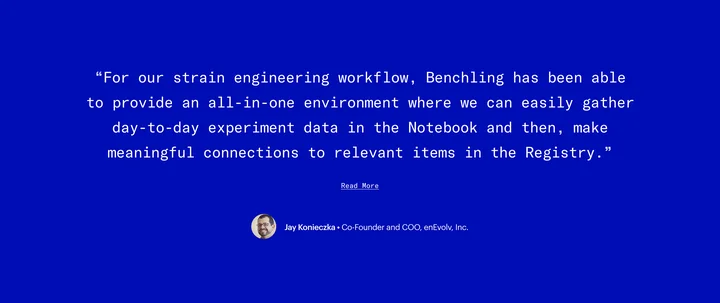
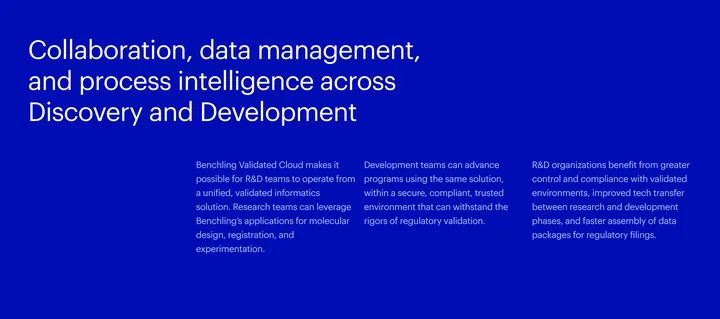
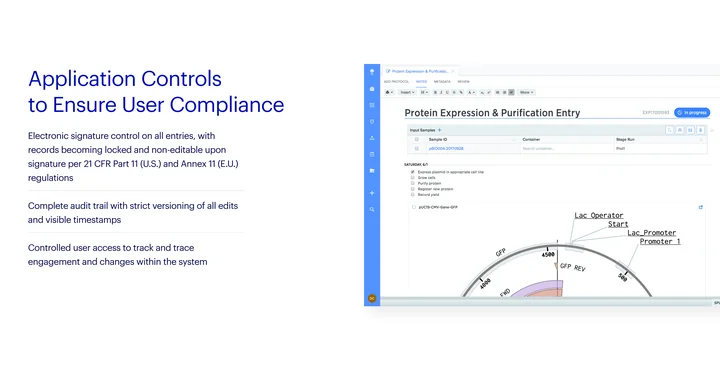
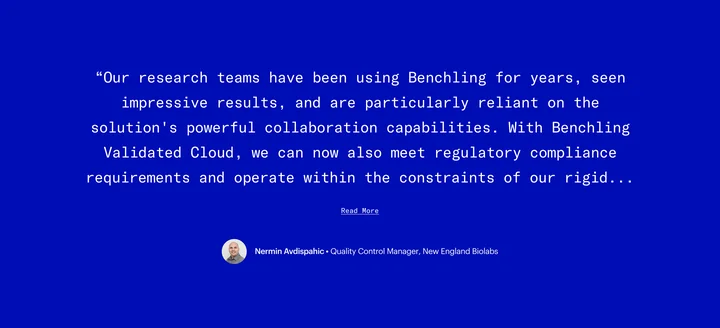
Validated Cloud: open module area from the original compValidated Cloud: open module area from the original compValidated Cloud: open module area from the original comp
Startups: open module area from the original compStartups: open module area from the original compStartups: open module area from the original comp
Recirculation (related content)
Notebook: recirculation (related content) from the original comp
Validated Cloud: recirculation (related content) from the original comp
Not on this page
CTA breaker
Notebook: cta breaker from the original comp
Validated Cloud: cta breaker from the original comp
Startups: cta breaker from the original comp
Footer
Footer
Footer
Footer

Three page comps built from one template.

One visual language,
every kind of page.

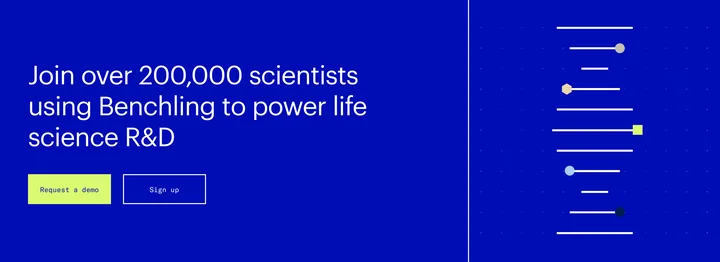
Deep blue, a signal lime and scientific imagery, from the homepage hero to the closing call to action.

The original homepage comp, scrolled from the hero, The Life Sciences R&D Cloud, to the closing call to action

Handoff

A template guide engineering could build from

The template guide documented every component across desktop and mobile: layout, spacing, content requirements and responsive behavior.

It gave engineering and content teams what they needed to build and extend the site on their own.

The original template guide: zone diagrams beside the pages that use each template, redesign and replatform scopes, and what was out of scope

Credits

Role
Site architecture, components, visual design
Team
Three designers at Code & Theory: a UX designer, a visual designer and me
Worked with
Code & Theory and Benchling’s marketing team
Deliverables
Content strategy, zone diagrams, visual design, component architecture, template guide
Platform
Web, desktop and mobile
Duration
3 months

Page images are cut from the original comps. The opening film is Benchling’s; my part was the site.

NextGoldman SachsTurning one advisor’s spreadsheets into a tool the whole firm can use